How DRIPA Happened
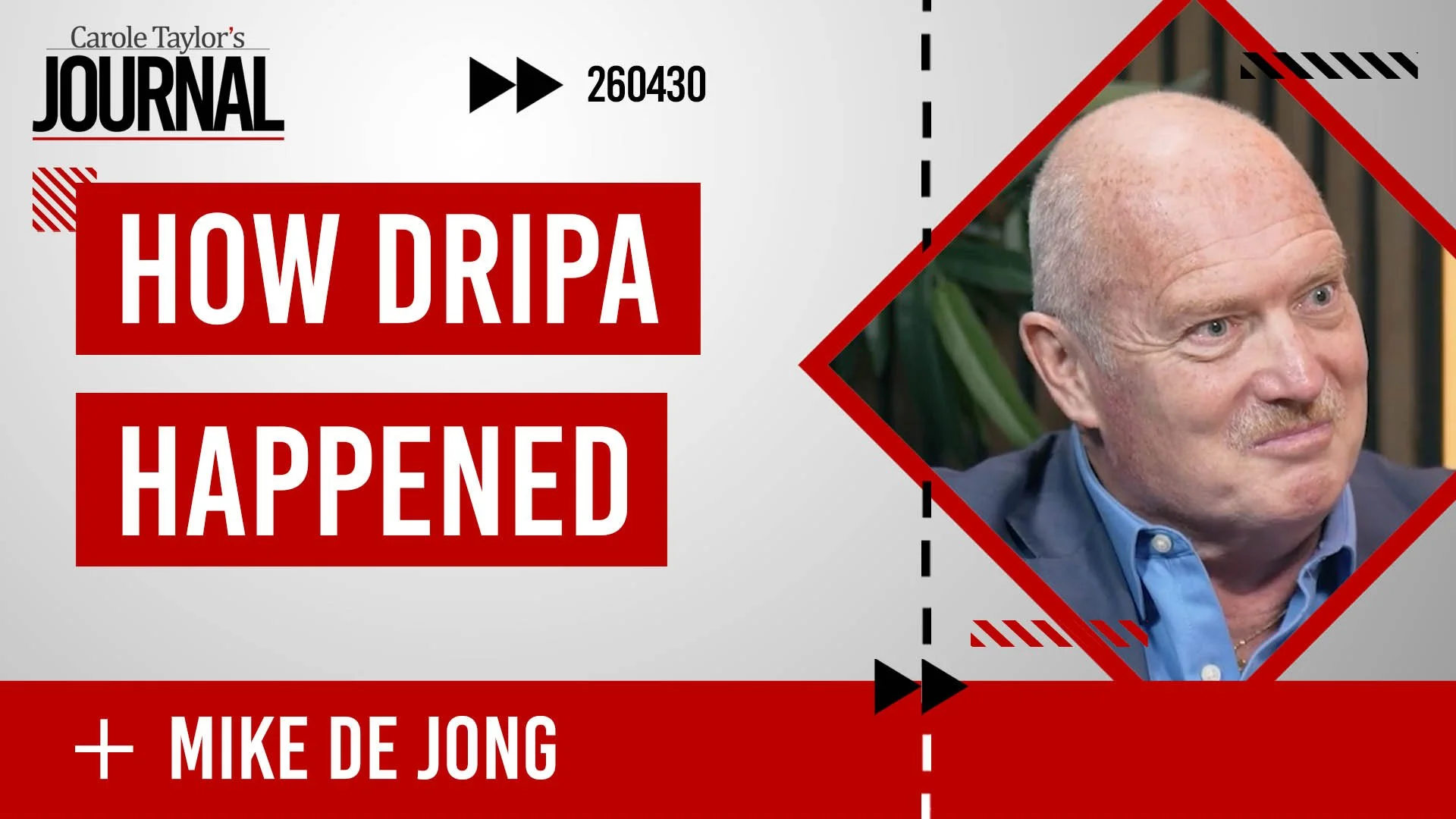
Guest: Mike de Jong, former MLA
How did DRIPA, the Declaration of the Rights of Indigenous Peoples Act – supposedly a step forward in reconciliation – become such a political and legal mess?
On this edition of Journal, we speak with a man who was a member of the British Columbia legislature that gave birth to the now-controversial DRIPA bill, Mike de Jong.
No stranger to this file, Mike served as the aboriginal critic when in the BC Liberal opposition and then Minister of Aboriginal Affairs and Reconciliation in the Gordon Campbell government.
This was, of course, in addition to serving as Attorney General, Minister of Finance, Minister of Health, and on, and on. In other words – a senior politician to be taken seriously.
Not surprisingly, on this complicated and controversial DRIPA bill, Mike had questions. A lot of questions. How would it work? Had the bill been vetted by the province’s lawyers?
And there were other voices expressing concern. Jody Wilson Rayboud also warned this would be unworkable.
Yet, even after a passionate speech from MLA and former Haisla chief Ellis Ross, warning of the dangers of this bill, DRIPA was voted on and passed – unanimously.
Two years later, adding more fuel to the fire, the government introduced an amendment to the Interpretation Act, saying all provincial laws “must” be consistent with UNDRIP. It’s that word “must” that has been taken seriously by the courts.
What happened?
Well, we know what’s happened: court decisions against the government, lawsuits, accusations, and flip-flops. A fine mess.
To bring context to how we find ourselves in this position, Mike de Jong.
Enjoy this episode via podcast or YouTube: